Your go-to resource for expert insights and carefully curated professional advice. Plan your renovation with confidence and ease
Rethinking DIY: Designing Is More Approachable Than Doing the Work
21.11.2025, 08:05 GMT Views: 1109 Likes: 21
How planning your home digitally beats learning complex construction skills.
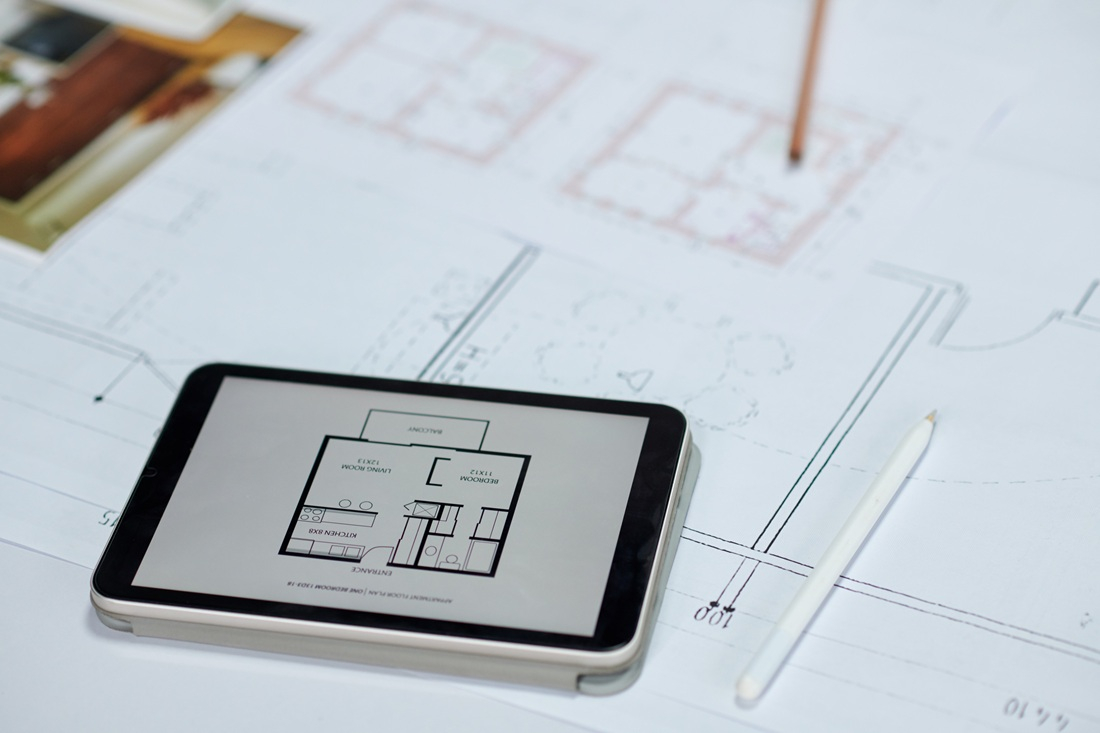
When people think about renovation, they usually imagine two big stages: first, the planning and design, and second, the actual construction work. Most homeowners, trying to save money, skip or minimize the design part and focus on the hands-on work. Some go old-school and do everything themselves, believing that’s where the real savings lie. But in today’s world, this logic is often flipped upside down.
Decades ago, many people really did know how to handle a hammer or lay tiles. Manual work was part of their everyday life, so doing renovations at home wasn’t a big stretch. But today, most of us work in offices, not workshops. We’re more fluent with computers than with screwdrivers. So if you think about it, it’s actually far easier for a modern person to learn a user-friendly design program than to master a tile cutter or a plastering tool.

And let’s be honest: even if you could, would you really want to spend evenings learning how to grout or replace wiring? With design software, the learning curve is much softer — and the potential mistakes are far less expensive. Break a few tiles, and the cost quickly adds up. Experiment with a virtual wall color, and it costs you nothing.
The Real Savings Are in the Planning
Another misconception is that software for home design must be expensive or overly technical. That might have been true once, but not anymore. There are now intuitive online platforms made specifically for homeowners who want to plan their space without diving into the complexities of professional CAD tools. Some are even completely free to use, while renting professional renovation equipment can cost hundreds — or thousands — over time.
But perhaps the biggest advantage of creating your own design project is understanding. When you plan the renovation yourself — then hand the detailed plan to a professional crew — you already know the full logic of your project. You understand what follows what, why certain elements are placed the way they are, and what must not be changed on the fly. In short, you know that everything is going according to plan — because this plan is yours.

Design Like It’s the Sims
You might be surprised to learn that modern design tools feel more like a game than like work. A good example is Remplanner, an online program made for people who want to create their own interior projects from scratch. The interface is beginner-friendly — no downloads, no installations, just log in and start designing directly in your browser.
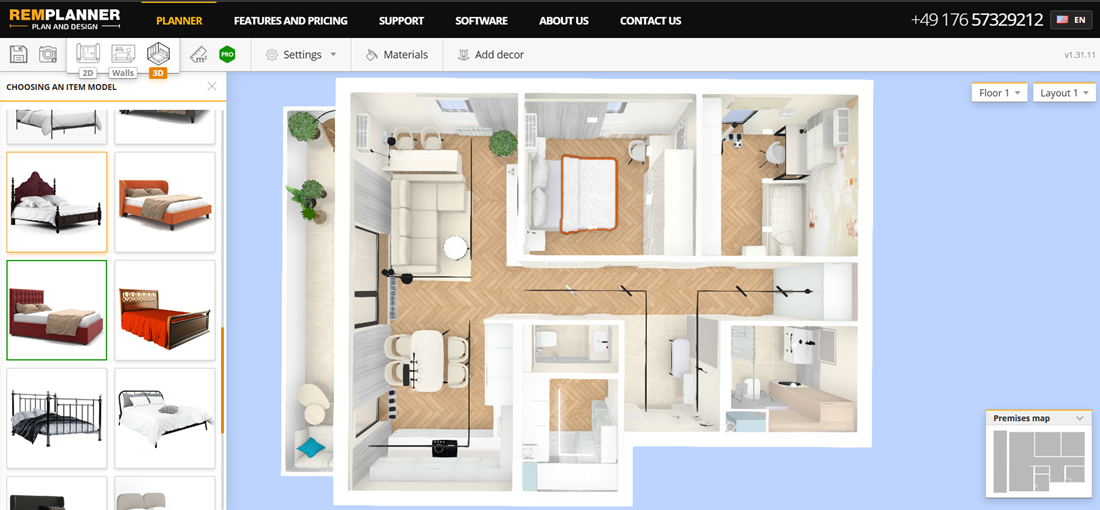
You simply enter your room dimensions, and from there, the fun begins. Like playing The Sims, you can “paint” your walls, try out furniture layouts, and experiment with lighting and decor. But unlike a game, the results are practical and immediately useful: Remplanner automatically generates wall elevations, material estimates, and even technical plans — electrical layouts, ventilation, plumbing, and more — all fully compliant with professional building standards. It checks these systems for potential conflicts, suggests optimal solutions, and ensures that your project aligns with real-world technical requirements.

This kind of automation often surpasses what happens in traditional design workflows. Many professional designers focus mainly on the visual concept — furniture, finishes, colors — leaving the technical part for later. And that’s when unpleasant surprises emerge during construction: certain light fixtures can’t be installed where planned, or the new bathtub requires a more complex drain configuration than expected. Sound familiar?
Software Is the New Toolbox
If you’ve installed another new app on your phone this week (and chances are you have), then you already know how easily modern software fits into everyday life. The idea that design programs are only for professionals is outdated; today, they’re as intuitive as any app you use daily.
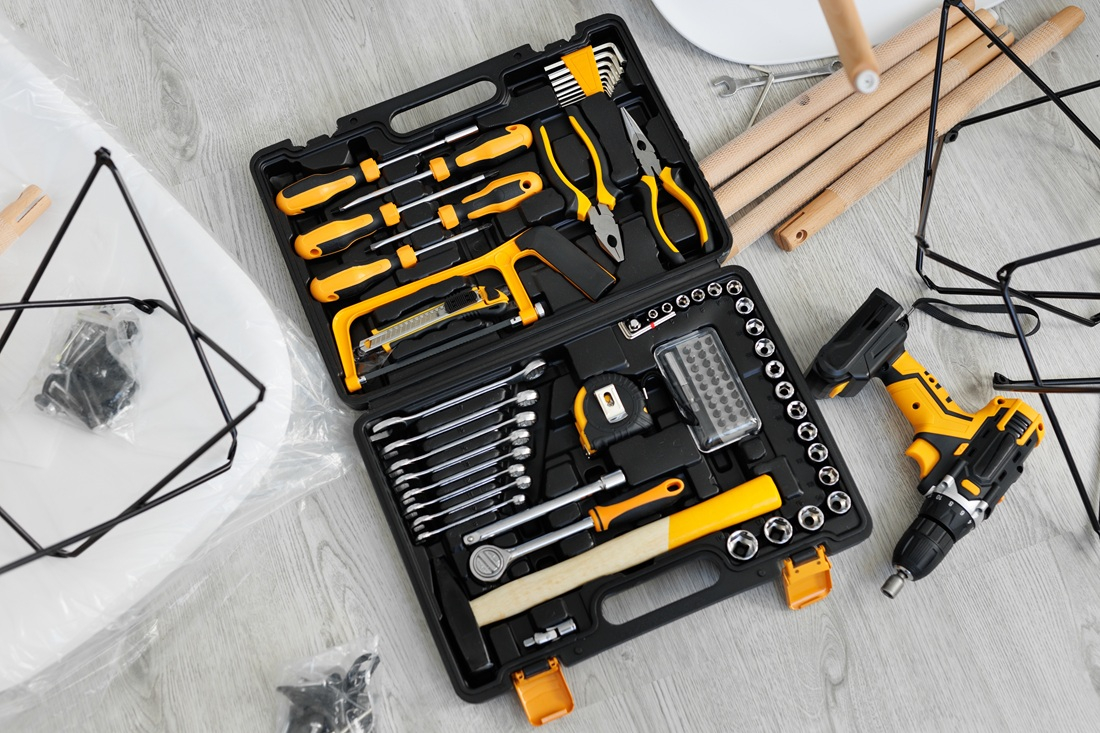
And while mastering construction skills is time-consuming and physically demanding, learning software is not. Modern design platforms remove guesswork, prevent costly mistakes, and give homeowners a clear, structured roadmap long before the first worker arrives.
With tools like Remplanner, you gain the clarity and control that used to belong only to architects and contractors — all from your browser. And when your project is prepared this way, the entire renovation feels steadier and more predictable. You’re not hoping for the best anymore.
You’re building with confidence — not with crossed fingers.
 Antonella
Marconi