Your go-to resource for expert insights and carefully curated professional advice. Plan your renovation with confidence and ease
Apartment Renovation for Aging Parents: Designing a Home That Supports Independence
05.07.2026, 17:27 GMT Views: 935 Likes: 47
Practical renovation ideas that help parents stay comfortable.
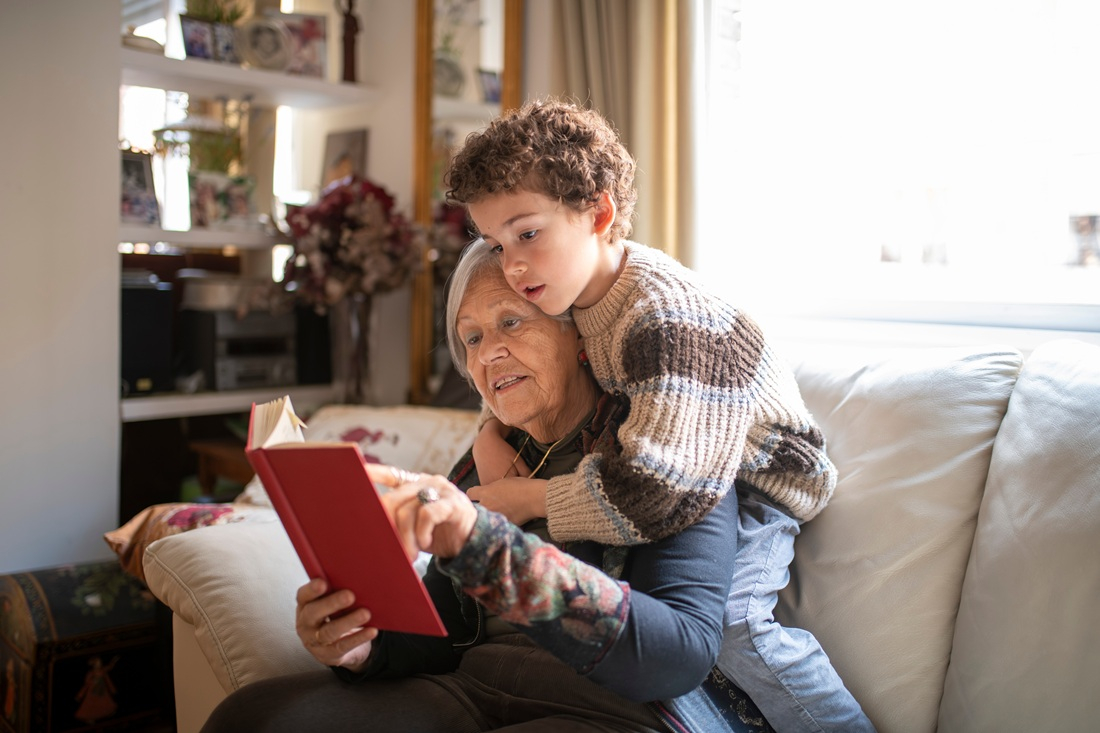
There comes a moment in many families when the conversation shifts. Instead of asking whether parents like their home, we begin asking whether it still works for them. The answer isn't always obvious. A familiar apartment may be filled with hidden obstacles — narrow walkways, poor lighting, awkward storage, or a bathroom that quietly becomes harder to use every year.
Designing for aging isn't about turning a home into a medical facility. It's about preserving something far more valuable: independence. A well-planned interior allows people to continue living comfortably in the place they know and love, often delaying or even avoiding the need for assisted living.
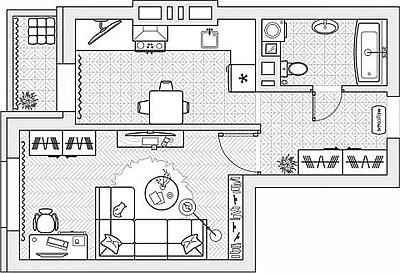
The biggest safety risk isn't usually the bathroom — it's the journey between rooms. Most falls happen during ordinary daily routines: walking to the kitchen, carrying laundry, getting up at night. Clear circulation paths, wider walkways, stable furniture, and the removal of unnecessary obstacles make everyday movement easier without changing the character of the home. This is one reason why planning furniture layouts before renovation matters just as much as choosing finishes.
Every room benefits from thoughtful adjustments. A hallway with good lighting and a bench for putting on shoes, a bedroom with enough space around the bed, drawers instead of deep lower cabinets in the kitchen, or a walk-in shower with a handheld showerhead can dramatically improve daily comfort. None of these features look institutional — they simply make the home easier to use.
Lighting deserves special attention. As eyesight changes with age, shadows become confusing and glare becomes uncomfortable. Layered lighting, illuminated work areas, night lights along circulation routes, and switches placed exactly where they're needed create a home that feels calmer and more intuitive to navigate.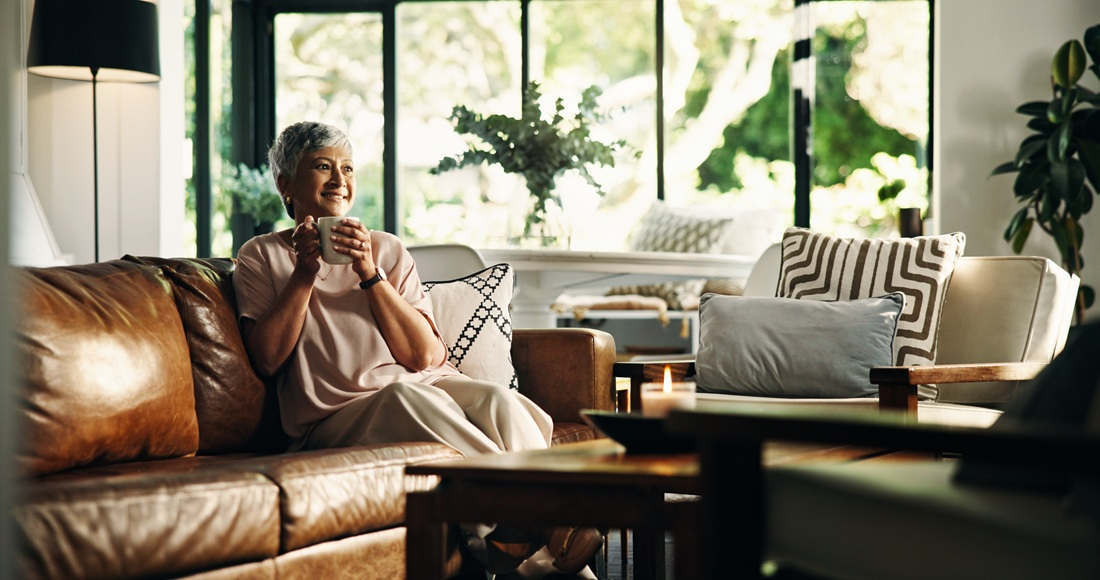
Storage is another challenge that many adult children underestimate. It's tempting to believe the solution is simply to persuade parents to declutter. In reality, many belongings carry stories that are impossible to replace. Old dishes, books, family photographs, or collections gathered over decades are often silent witnesses to a lifetime of memories.
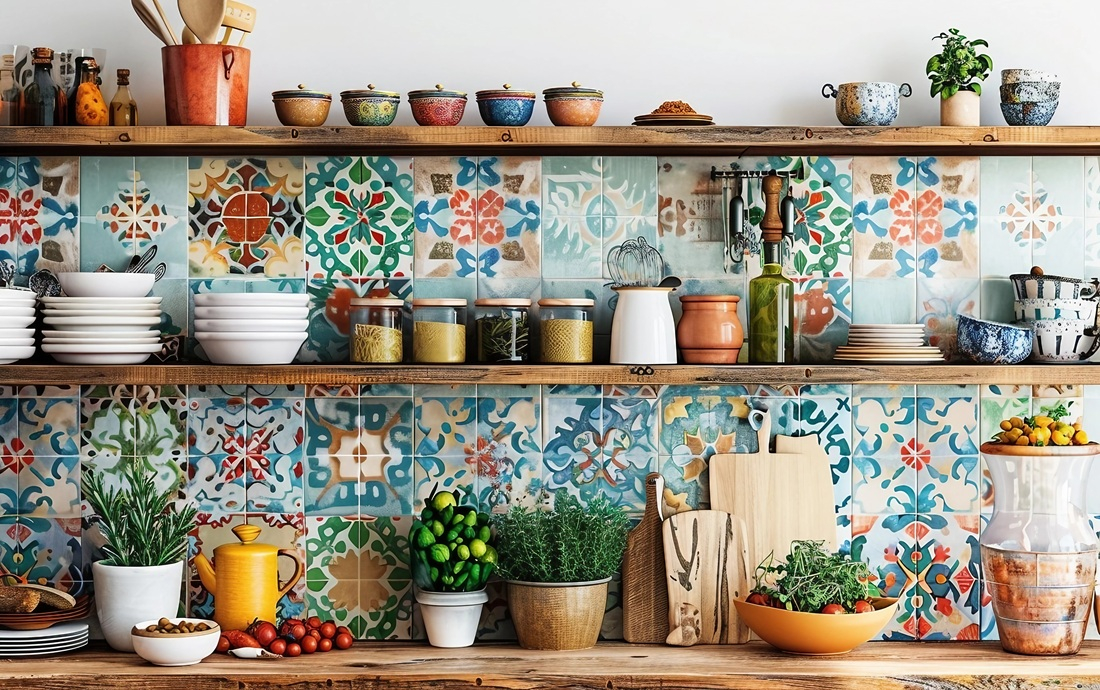
Instead of designing against those collections, design around them. A combination of closed cabinets and open shelving keeps treasured objects protected from dust while still allowing favorite pieces to remain visible. An even better idea is to treat display shelves like seasonal décor. Encourage parents to rotate ceramics, glassware, or decorative objects every few months. The home feels refreshed without buying anything new, while different memories naturally come back into everyday life.
Build for Tomorrow, Not Just Today
Thinking ahead also means asking a bigger question: what if this is the last major renovation your parents will ever want to live through? Construction becomes increasingly stressful with age. Noise, dust, temporary relocation, and weeks of disruption are much harder to tolerate than they once were.
That's why durable, timeless design choices are often wiser than chasing trends. Select materials that will age gracefully, layouts that can adapt to changing needs, and details that are easy to refresh without another full renovation. A new wall color, updated textiles, different cabinet handles, or revised lighting can transform a room years later without turning the apartment into a construction site again.
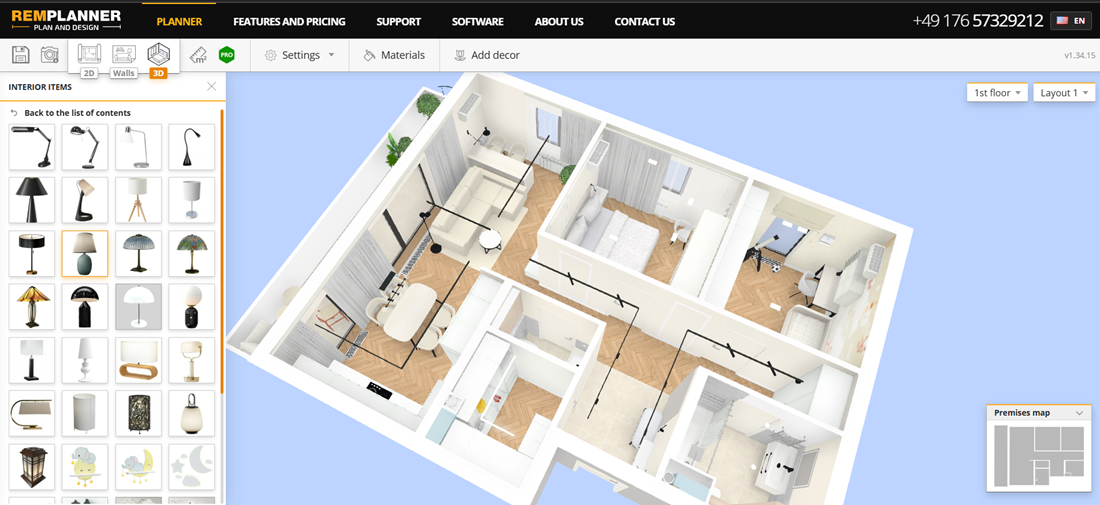
Many of these decisions are difficult to evaluate from sketches alone. Testing furniture placement, storage solutions, circulation paths, and room layouts before work begins helps reveal potential problems while they're still easy to solve. Digital planning tools such as Remplanner make it possible to experiment with different layouts, check clearances, and visualize how the home will function long before the first wall is painted.
Ultimately, designing for aging parents isn't about preparing for decline. It's about creating a home that continues to support everyday life with dignity, comfort, and confidence. Good design doesn't simply make a space more beautiful — it helps the people who live there feel safe, independent, and truly at home for many years to come.
 Antonella
Marconi