Your go-to resource for expert insights and carefully curated professional advice. Plan your renovation with confidence and ease
Biophilic Design: Creating an Interior Where You Can Truly Breathe
13.07.2026, 17:33 GMT Views: 786 Likes: 24
Natural light, greenery, and organic materials can completely change how your home looks and feels.
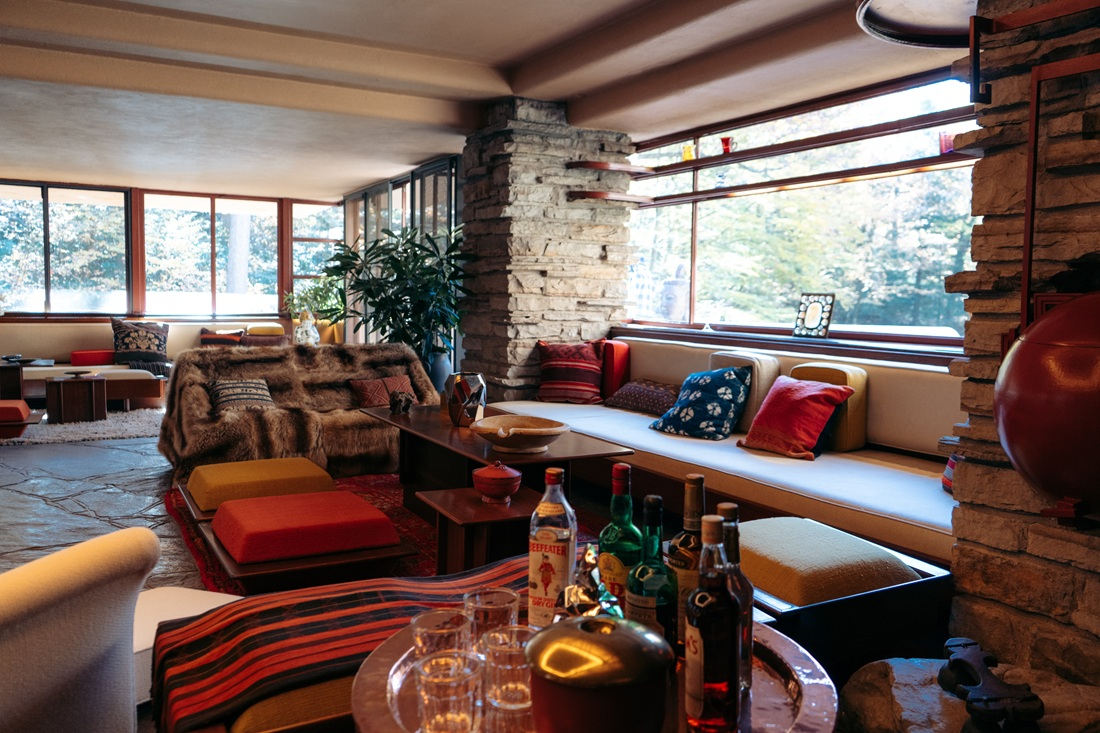
On the cover photo: The interior of Fallingwater (1935), designed by Frank Lloyd Wright, one of the world's most iconic examples of architecture in harmony with nature. Natural stone, warm wood, and expansive views blur the boundary between indoors and outdoors, embodying the essence of biophilic design.
Have you ever walked into a home that instantly felt calm and welcoming? Not because it was expensive or filled with designer furniture, but because the space simply felt right. More often than not, that feeling comes from something surprisingly simple — a connection to nature.
Designers call this approach biophilic design, but you don't need to know the term to use its principles. The idea is straightforward: bring more natural light, materials, plants, and organic textures into your home. Even small changes can make a room feel brighter, more comfortable, and more relaxing.
Let Natural Light Do Most of the Work
Before choosing furniture or paint colors, pay attention to daylight. Natural light changes the way every surface, texture, and color looks. A bright room also feels larger and more inviting.
Keep windows as open as possible by avoiding bulky curtains or furniture that blocks the light. If a room doesn't receive much sunlight, use mirrors to reflect daylight deeper into the space and choose warm, indirect lighting for the evening instead of a single bright ceiling fixture. Layered lighting creates a softer atmosphere that feels much closer to natural light.
Add Plants That Become Part of the Room
Houseplants do much more than decorate a shelf. They soften sharp lines, add height, introduce color, and make interiors feel alive.
A large plant can fill an empty corner beautifully, while smaller plants work well on shelves, coffee tables, or bathroom counters. Hanging planters help draw the eye upward, making a room feel more dynamic without taking up floor space.
The key is balance. A few healthy, well-placed plants usually have a much stronger effect than filling every available surface with greenery.
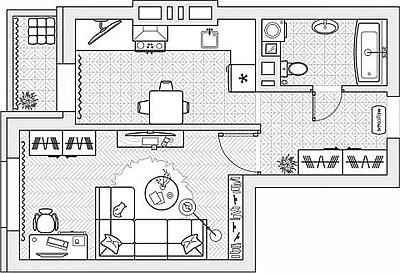
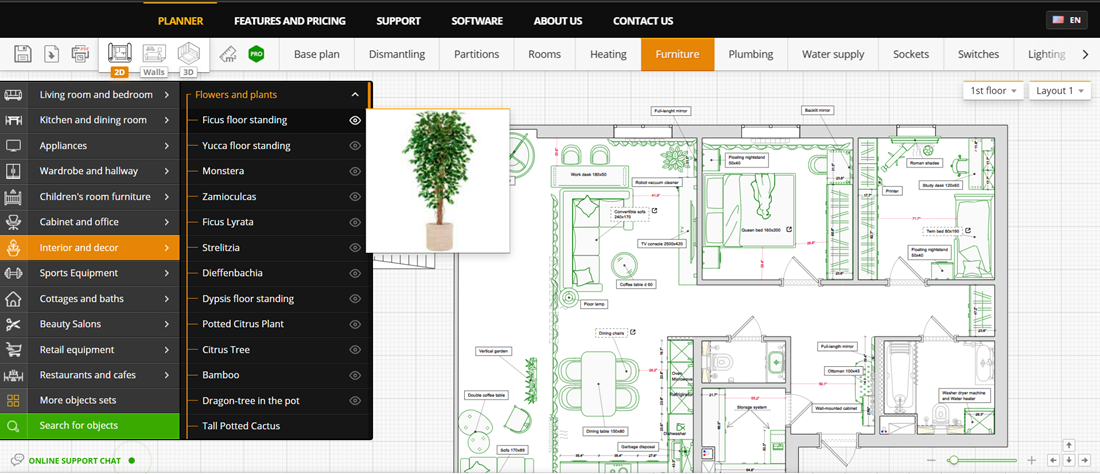
If you're planning a renovation or redesign, it's helpful to experiment with different plant arrangements before buying them. In Remplanner's décor library, you can place and move dozens of indoor plants directly on your floor plan to see how they fit with the rest of your interior.
Choose Materials That Feel Natural
Our homes aren't experienced only with our eyes. We also notice how materials feel, even if we don't realize it consciously.
Wood brings warmth. Stone adds a sense of stability. Linen, cotton, wool, and ceramics introduce texture that makes a room feel layered rather than flat.
That doesn't mean every surface has to be made from natural materials. Even combining a wooden dining table with stone accessories or woven baskets can make a noticeable difference. The goal isn't perfection — it's creating an environment that feels authentic and comfortable.
Borrow Colors from Nature
If you're unsure which colors work together, nature is an excellent guide.
Soft greens, warm sand, clay, muted browns, stone gray, and creamy whites naturally complement one another because we already associate them with landscapes we find relaxing.
Instead of using one color throughout the room, introduce subtle variations. Different shades of the same natural palette create depth without making the space feel busy.
Give Your Rooms Space to Breathe
When renovating, it's tempting to fill every empty corner. Yet empty space is just as important as furniture.
Leave some shelves partially open. Avoid placing large pieces against every wall. Keep windowsills uncluttered so daylight can flow freely through the room.
A home doesn't need to be minimalist to feel spacious. Often, removing a few unnecessary objects makes a bigger difference than buying new ones.
The Little Details Matter
The atmosphere of a home is often created by details rather than major renovations.
A ceramic vase filled with fresh branches, a wooden tray on the coffee table, woven storage baskets, natural fabrics, or a bowl of smooth stones collected during a holiday can all strengthen the connection between your interior and the natural world.
These small elements work together to create a space that feels calm without looking staged.
Plan Before You Buy
One of the most common renovation mistakes is making decisions piece by piece. A beautiful plant may turn out to be too large for the corner you imagined. A stone accent wall may compete with your flooring instead of complementing it. Even small decorative details can change the balance of a room more than expected.
That's why it's worth planning the space before making purchases. Seeing everything together makes it much easier to understand what works — and what doesn't.
Online planning tools like Remplanner make this process much simpler. You can experiment with different layouts, try various finishing materials, and explore a library of décor elements, including dozens of indoor plants, lighting fixtures, and many more, to see how they fit into your future interior. Testing ideas on a floor plan takes far less time and money than correcting mistakes after the renovation has already begun.
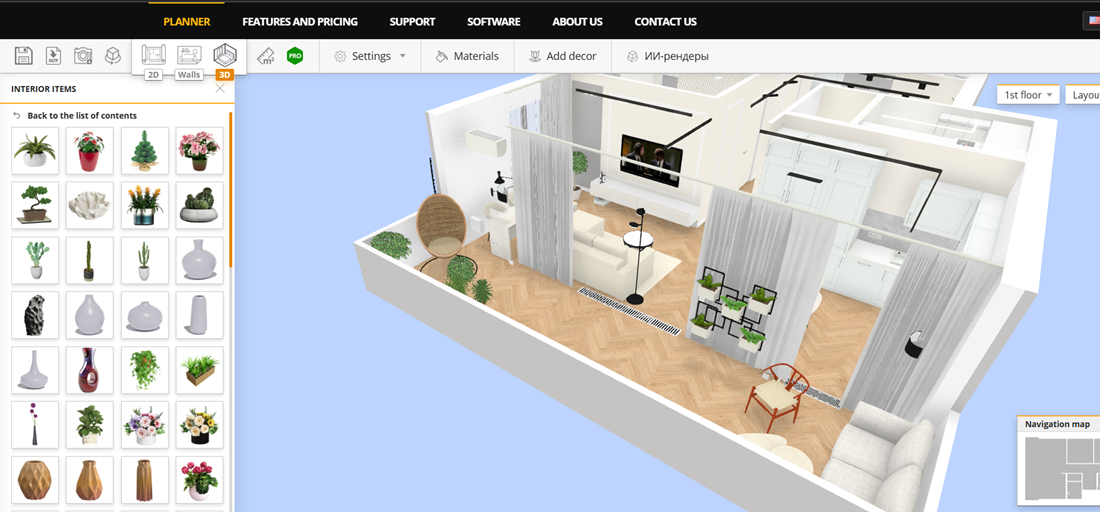
A little planning upfront helps create a home that feels balanced, functional, and naturally inviting from day one, because nature doesn't have to stay outside your windows. With thoughtful choices, it can become part of everyday life — making your home healthier, calmer, and more enjoyable to live in.
 Antonella
Marconi