Your go-to resource for expert insights and carefully curated professional advice. Plan your renovation with confidence and ease
Pet-Proof by Design: Materials and Layout That Stand the Test of Time
13.07.2026, 17:46 GMT Views: 1459 Likes: 24
Should your cat become the center of your house? - Well, Yes and No.
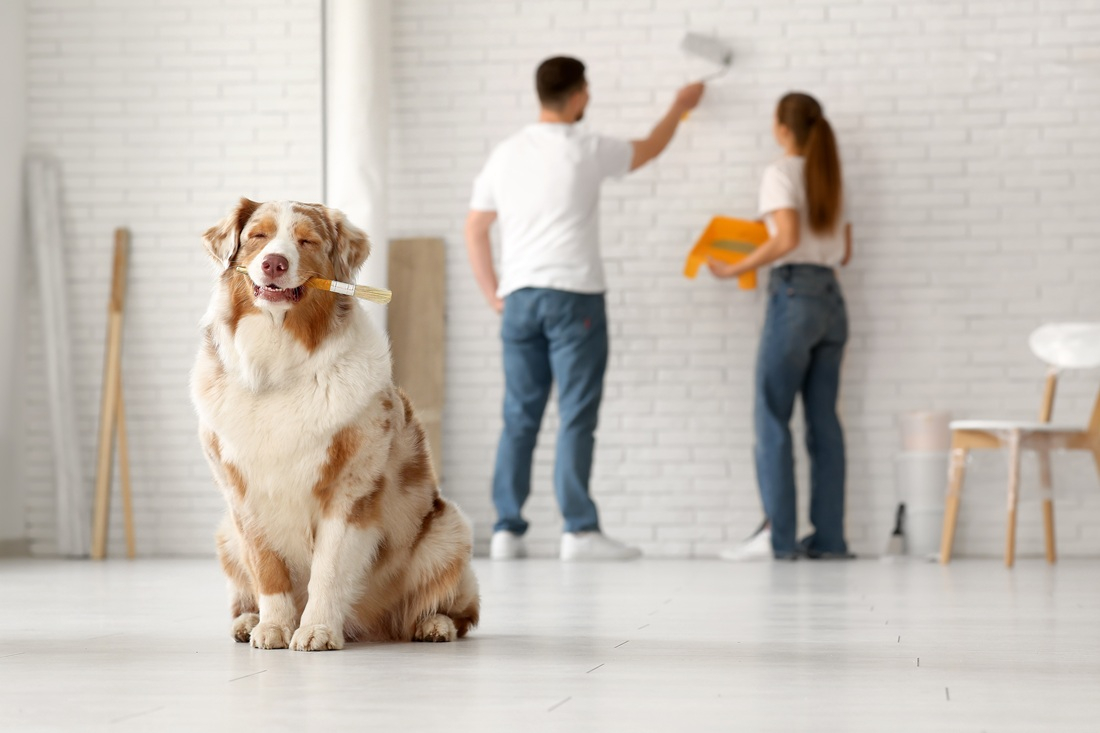
Living with a dog or cat often comes with a familiar assumption: sooner or later, scratched floors, stained upholstery, and scattered toys will become part of the décor. Many homeowners respond by searching for "pet-proof" materials, hoping a tougher floor or stronger fabric will solve the problem.
In reality, the most successful pet-friendly homes don't begin with materials at all. They begin with planning. A well-designed interior considers how every member of the household moves through the space — including the four-legged ones. When daily routines of your pets are put into consideration and anticipated before renovation starts, the result is a home that stays both beautiful and practical for years, without creating a layout where human life constantly adjusts around the pet's habits.
Design for Habits, Not Just for Looks
Before choosing flooring samples or paint colors, it's worth thinking about your pet's everyday behavior.
Where does your dog wait when someone comes home? Which window does your cat spend hours watching from? Are there narrow pathways where pets constantly run? Where will food bowls stay permanently instead of being moved around every day?

These questions may seem minor, yet they often determine where wear appears first. Muddy paws usually follow the same route from the entrance. Cats repeatedly jump onto the same surfaces. Dogs naturally create circulation paths between rooms.
When these patterns are considered during the planning stage, the entire home works more efficiently.
Choosing Materials That Can Handle Real Life
No material is completely immune to damage, but some perform far better in homes with animals.
Luxury vinyl flooring has become a popular choice because it resists moisture, scratches, and everyday wear while remaining comfortable underfoot. Porcelain tile is exceptionally durable and easy to clean, making it an excellent option for entryways, kitchens, and utility rooms. Engineered hardwood offers the warmth of natural wood while providing greater stability than solid planks, especially when finished with durable matte coatings.
Glossy surfaces, on the other hand, tend to reveal every scratch, paw print, and dust particle. Matte finishes are usually far more forgiving and maintain a cleaner appearance between cleanings.
The same principle applies to walls. Washable paints, durable baseboards, and easy-to-clean finishes in high-traffic areas can significantly reduce maintenance without affecting the overall aesthetic.
Layout Is Your First Line of Defense
Many homeowners focus on selecting stronger materials but overlook the role of furniture placement.
Pets don't move randomly. Dogs usually follow predictable routes between favorite resting spots, food stations, and entrances. Cats seek elevated viewpoints and quiet corners where they can observe the household.
When furniture blocks these natural paths, animals simply create new ones, often squeezing through tight spaces, brushing against walls, or jumping over furniture. Over time, this leads to unnecessary wear.
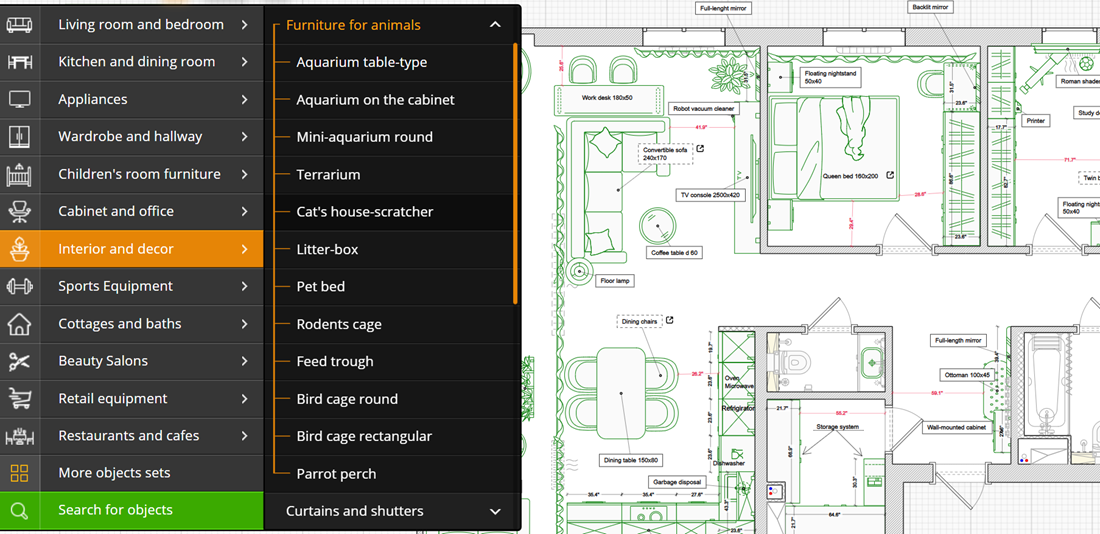
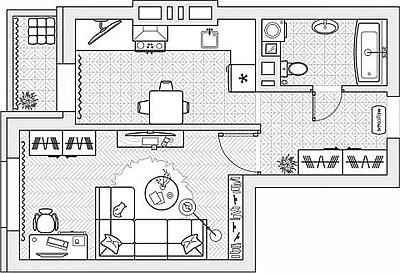
A thoughtful layout creates comfortable circulation for everyone while reducing damage caused by constant movement. It also helps determine where lighting, electrical outlets, storage, and built-in furniture should be located before construction begins. All of this can be planned and tested through several different layout scenarios on the Remplanner online platform, allowing homeowners to compare options and refine decisions before any renovation work starts.
Hide the Practical, Keep the Beautiful
One hallmark of excellent interior design is that practical features rarely draw attention.
Instead of treating pet supplies as temporary additions, consider integrating them into the renovation itself. Built-in feeding stations, concealed litter box cabinets, storage for food and toys, or even a small cleaning area near the entrance can become part of the overall design rather than visual clutter.
These solutions don't require more space -- they simply require better planning.
Every Detail Works Better When Planned Together
This is where digital planning tools become especially valuable. Rather than making isolated decisions room by room, homeowners can visualize the entire project before construction starts.
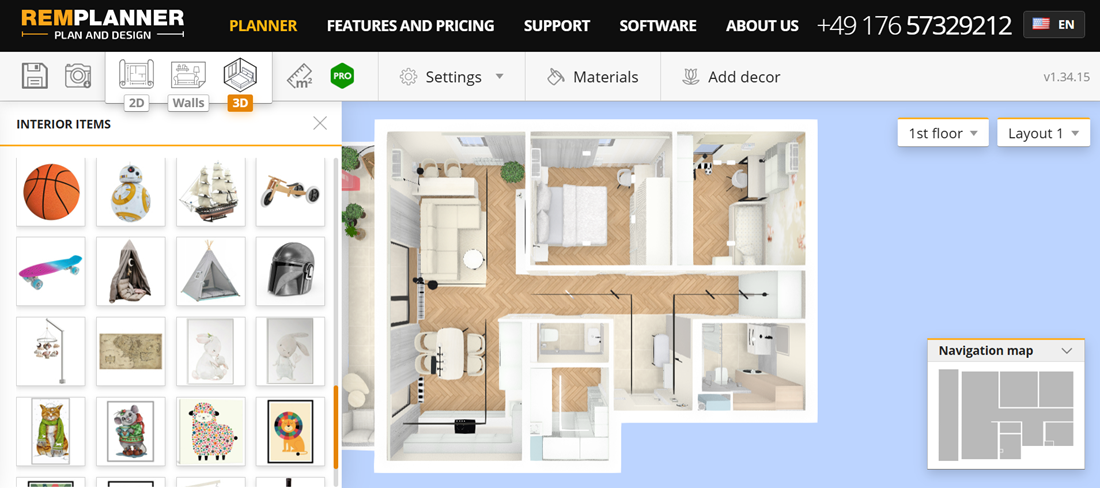
With Remplanner, it's possible to experiment with furniture layouts, circulation routes, and functional zones while also exploring hundreds of finishes for floors, walls, ceilings, and other interior surfaces. Seeing these elements together makes it easier to choose combinations that are both attractive and practical, helping avoid costly changes once renovation is underway.
A pet-friendly home isn't created by buying the toughest flooring or the most expensive sofa. It's created by designing a space that reflects how life actually happens every day.
When planning comes first, durable materials become the finishing touch—not the solution to problems that could have been avoided from the beginning.
 Antonella
Marconi